01 — EXTRACT
Finds the visual language
Filmo gathers the product logo, palette, type cues, interface geometry, imagery, and page language. Those assets define the boundaries of the motion system.
Filmo combines real product footage with brand-aware AI motion graphics: kinetic type, interface callouts, transitions, diagrams, and graphic beats built from your own visual language.
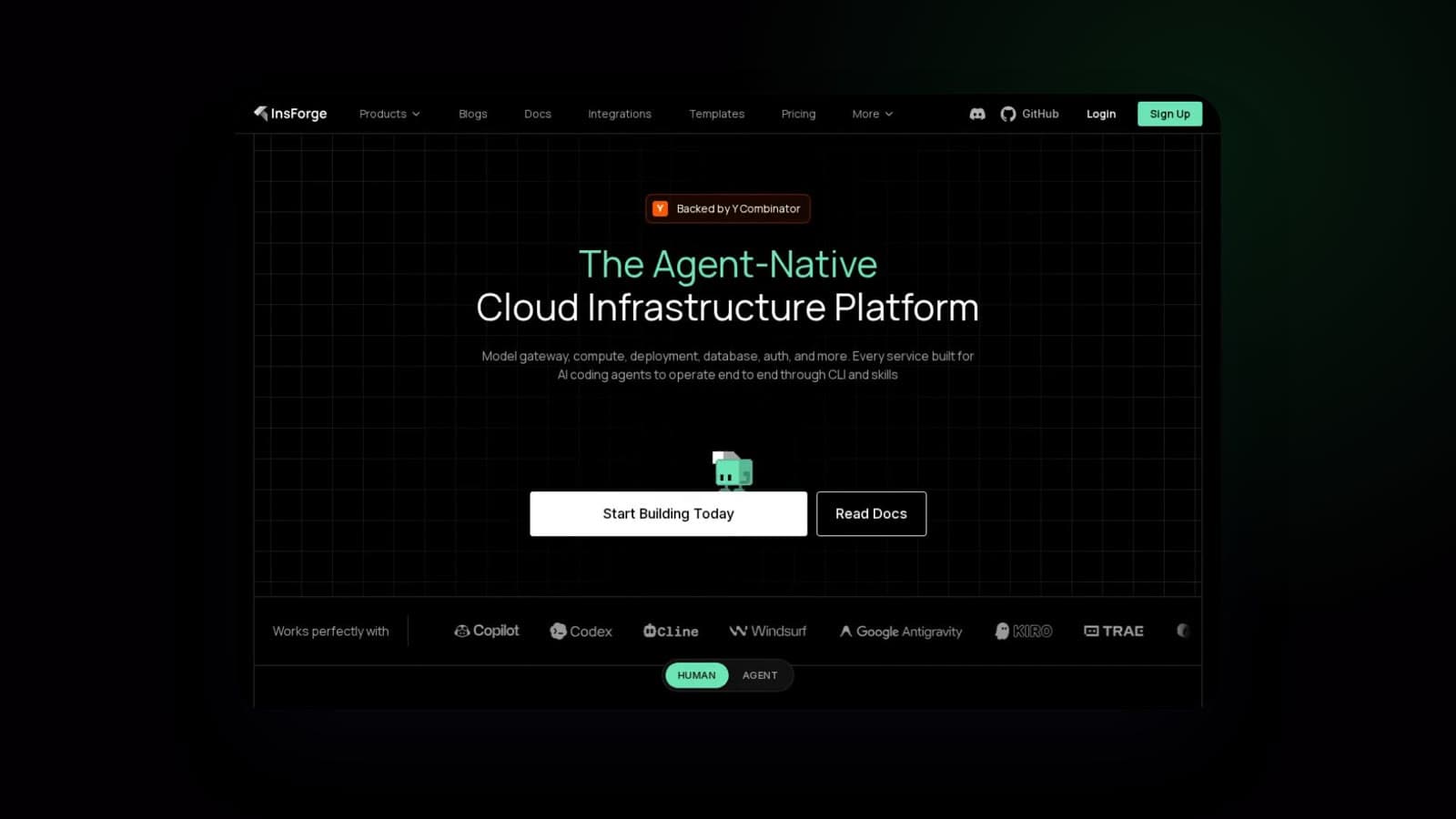
Filmo uses AI to direct motion graphics around the product you actually shipped. It starts with your interface, logo, palette, type, and source copy, then creates a designed sequence that clarifies the product story. The result is motion design with evidence inside it—not decoration floating over stock footage.
Good product motion graphics are not a preset pasted over footage. They control attention: what the viewer reads, where the eye moves, and when the product proof arrives.
Filmo gathers the product logo, palette, type cues, interface geometry, imagery, and page language. Those assets define the boundaries of the motion system.
A browser records the actual product journey. Typography, callouts, transitions, and diagrammatic beats are composed to explain what the viewer is seeing.
Motion follows narration, music, and the evidence on screen. Filmo reviews the rendered sequence and adjusts weak pacing before it hands over the video.
Filmo occupies the useful middle between a generic AI clip generator and a manual motion-design timeline.
The motion directs attention toward the product experience instead of covering it with visual effects. A viewer can see what the product is and how it moves.
Type carries the message, callouts reveal a detail, transitions connect ideas, and diagrams simplify systems. The motion exists to make the launch argument clearer.
Filmo derives the visual treatment from the site rather than asking you to choose a stock style. Different products produce materially different films.
Turn screens, dashboards, workflows, and results into a deliberate story that feels more cinematic than a screen recording and more truthful than generated footage.
Frame a new interaction with kinetic headlines, focused UI movement, and proof captured from the live product.
Use diagrams, labels, metrics, and process beats to make developer tools and infrastructure legible without flattening them into slides.
Create a hero film that carries the same palette, voice, and visual rhythm as the product site across launch posts, paid media, and sales.
AI motion graphics use artificial intelligence to help plan, design, animate, or assemble moving typography, interface callouts, brand elements, diagrams, and transitions. Filmo uses them as part of a complete product video rather than producing a disconnected animation.
Filmo records the real product or website in a browser and builds motion design around that footage. The interface stays recognizable while camera movement, typography, pacing, and graphic transitions make it feel directed.
Yes. Filmo extracts the palette, logo, typography cues, imagery, and language available on the product site, then uses those ingredients to create a motion system that belongs to the brand.
No. You provide the product URL and review the completed cut. Filmo handles the screen capture, motion composition, timing, rendering, and revisions inside the production workflow.
Not in the usual sense. Filmo does not rely on a prompt to invent generic footage. It grounds the video in your real pages and uses AI to direct and produce branded motion around that source material.